The 36-Hour Protein Biohack: Dirt-Cheap Gas-Free Lentil Sprouts
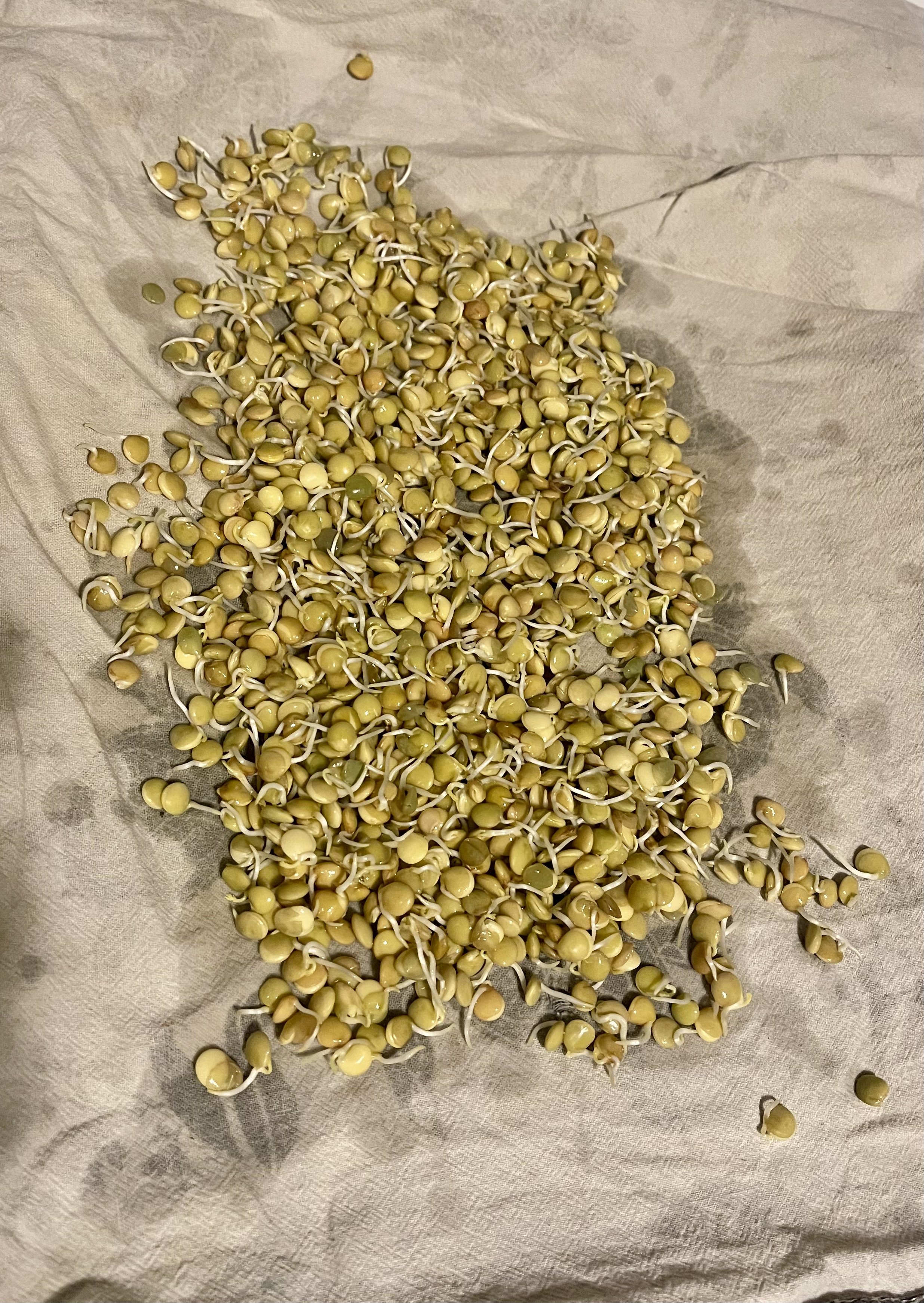
Want elite plant protein for pennies without the legume bloat? The trick is shifting from a standard one-day soak to a fluffier, one-inch white tail method.
By letting the sprouts grow to one inch, the plant does the hard work for you. It consumes its own gassy sugars for energy and breaks heavy proteins down into free amino acids. It is incredibly gentle on your gut, saves you a fortune compared to store-bought protein powders, and multiplies in volume right on your counter.
According to Doug Evans' The Sprout Book, sprouting a lentil explodes its vitamin C content by 300%. For me, that nutrient spike accelerated my nail growth and gave my skin a noticeable glow. Here is the fast, foolproof guide to doing it at home.
Which Lentils Work Best?
Brown Lentils: Cheap, highly reliable, and mildly sweet.
French Green / Black Beluga: Firm texture, great earthy or peppery flavor.
Red / Split Lentils: Avoid. They lack protective skins or intact germs. They turn to mush and rot.
Step-by-Step From Jar to Plate
1. The Initial Soak
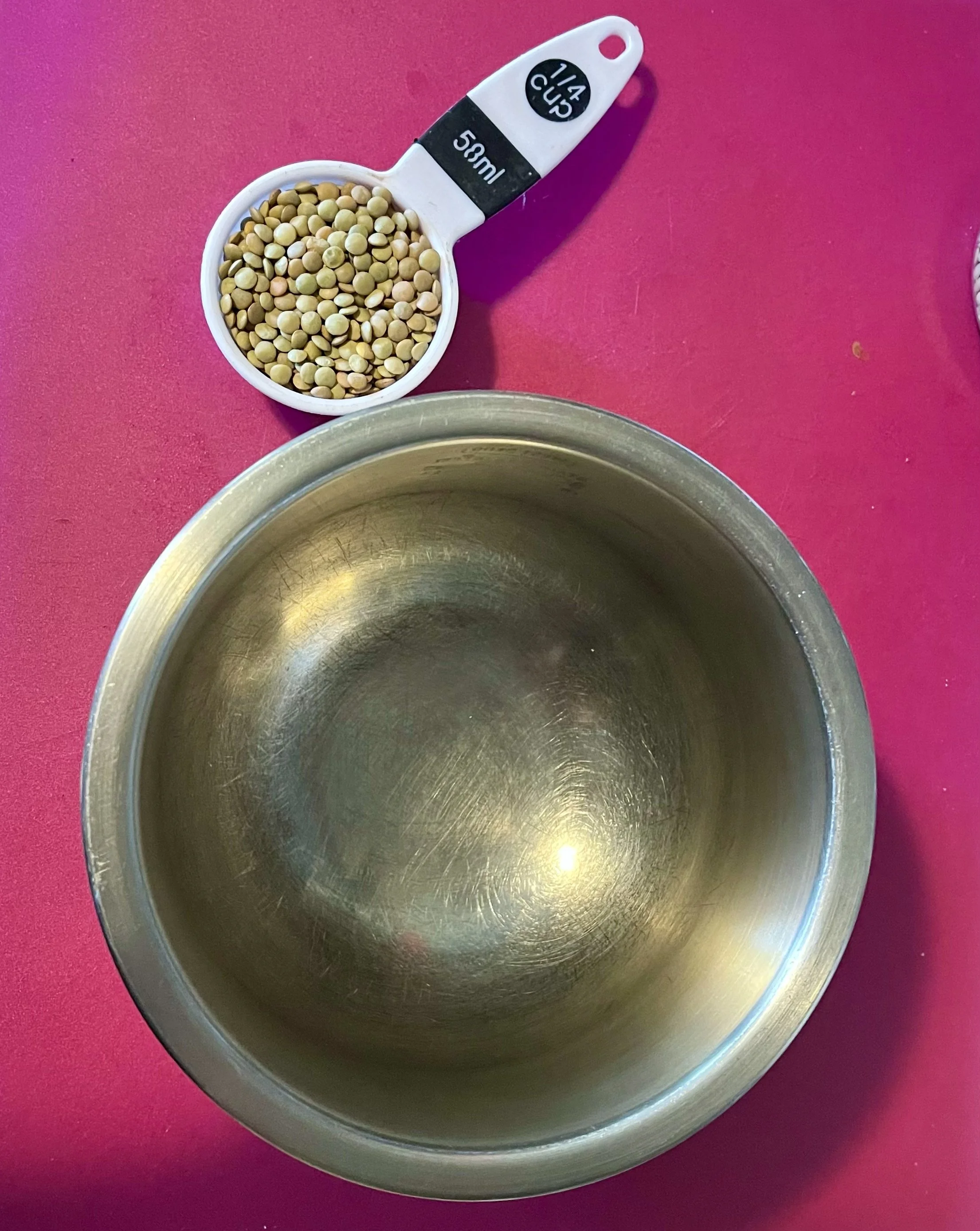
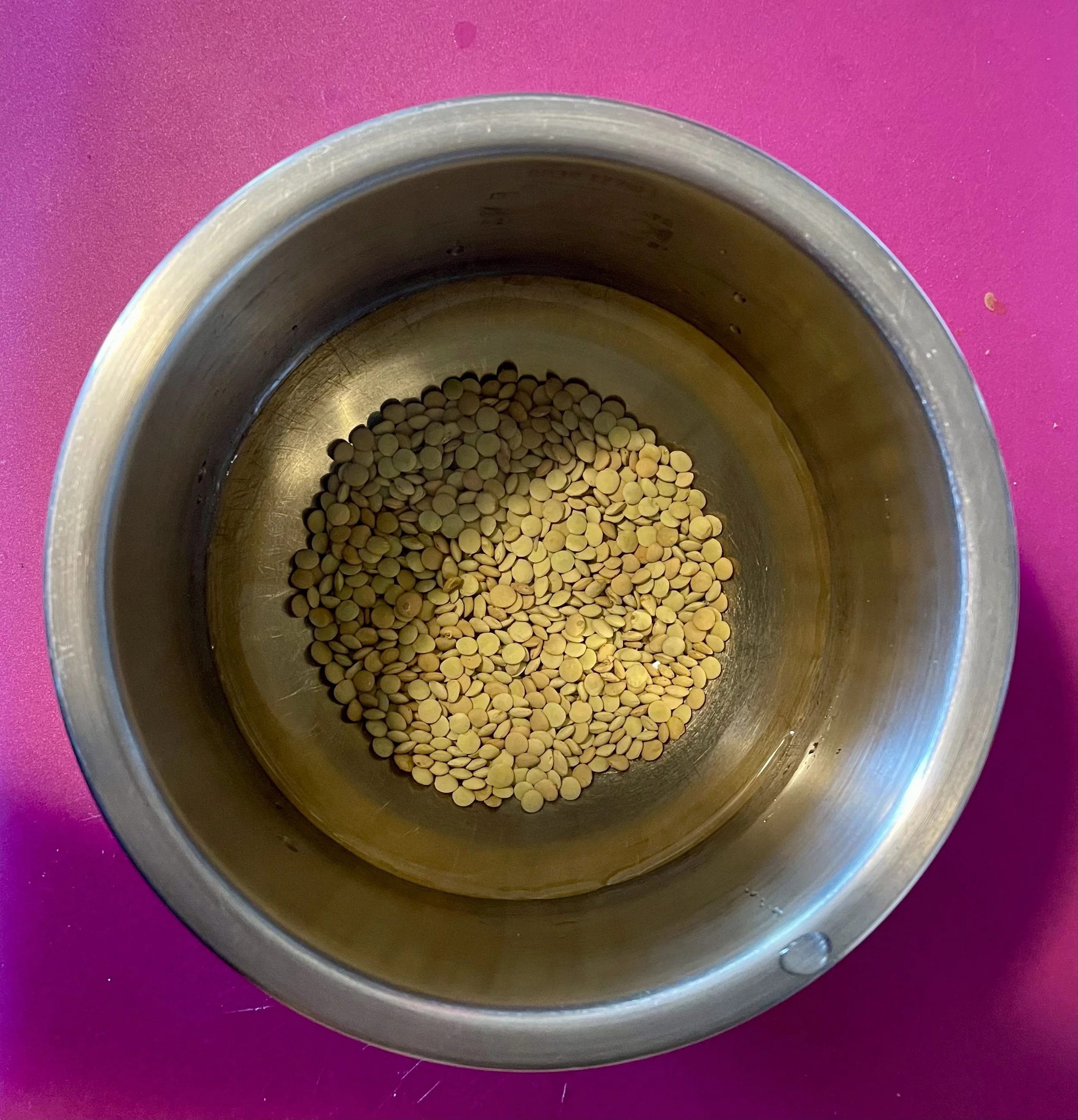
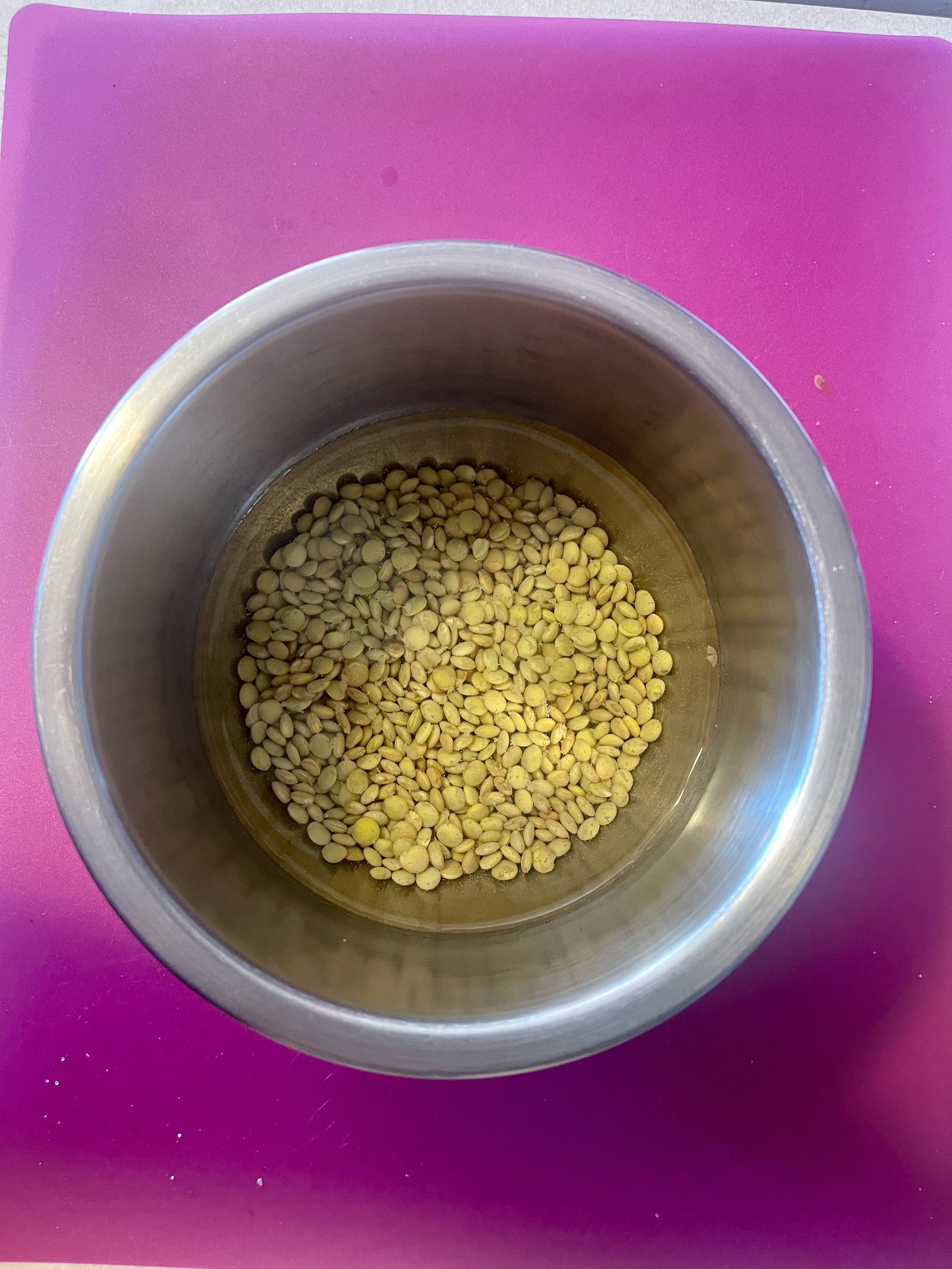
Soak your lentils in cool water. A good batch needs at least 4 hours to absorb what it needs, you could leave them overnight too if that works better for you. I typically start out with about ¼ cup of lentils and cover them with at least an inch and a half of water. They will look like they’ve doubled in size.
2. The Setup
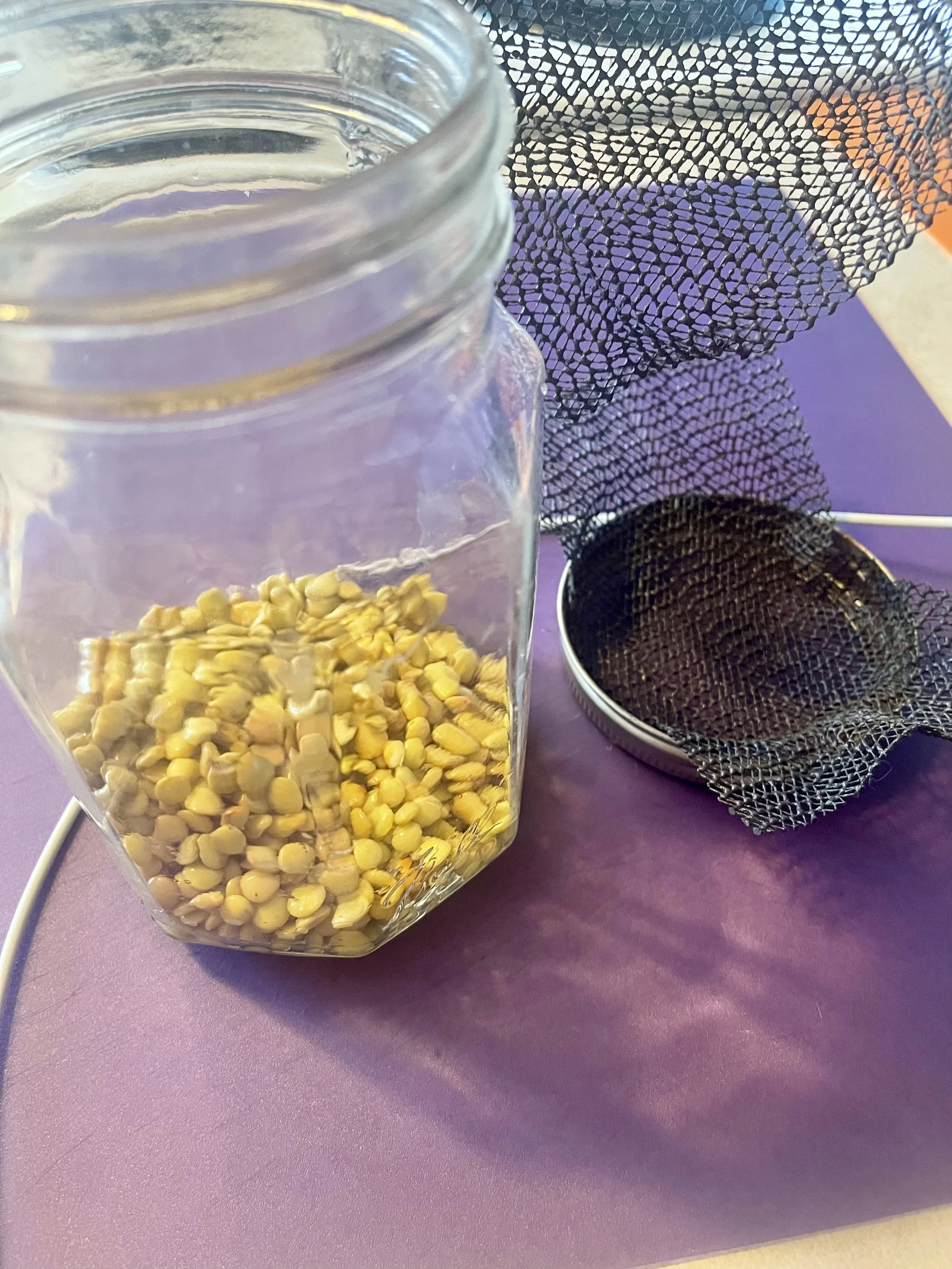
Drain the water. Rinse the seeds, then put them into a decent sized wide mouth jar and cover the top of the jar with something the excess moisture can drip out through. Air flow is important, try a soft mesh or cheesecloth. Next, prop your canning jar upside down at a 45-degree angle in a bowl so it drains perfectly. Keep it in a dark cupboard.
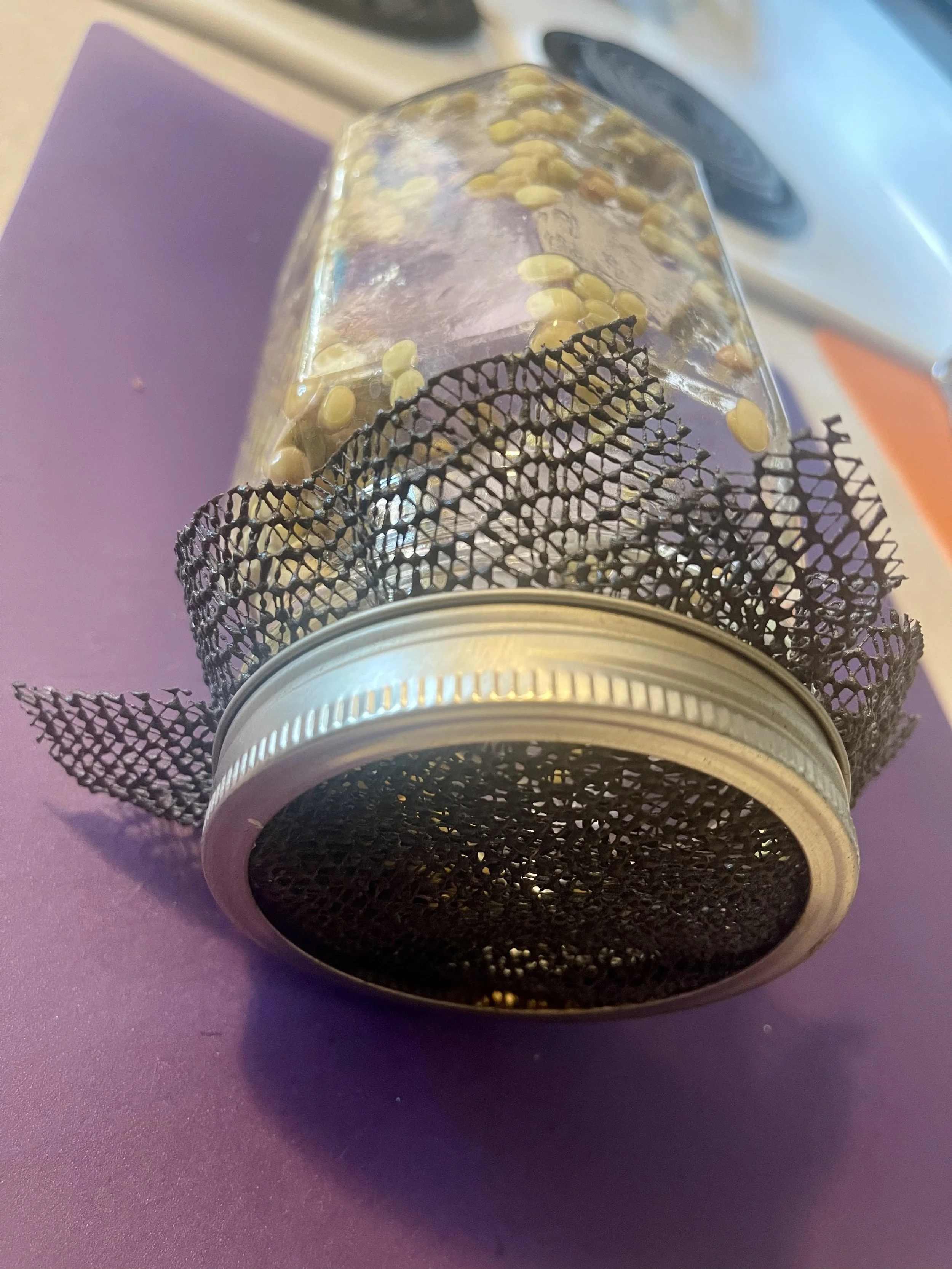
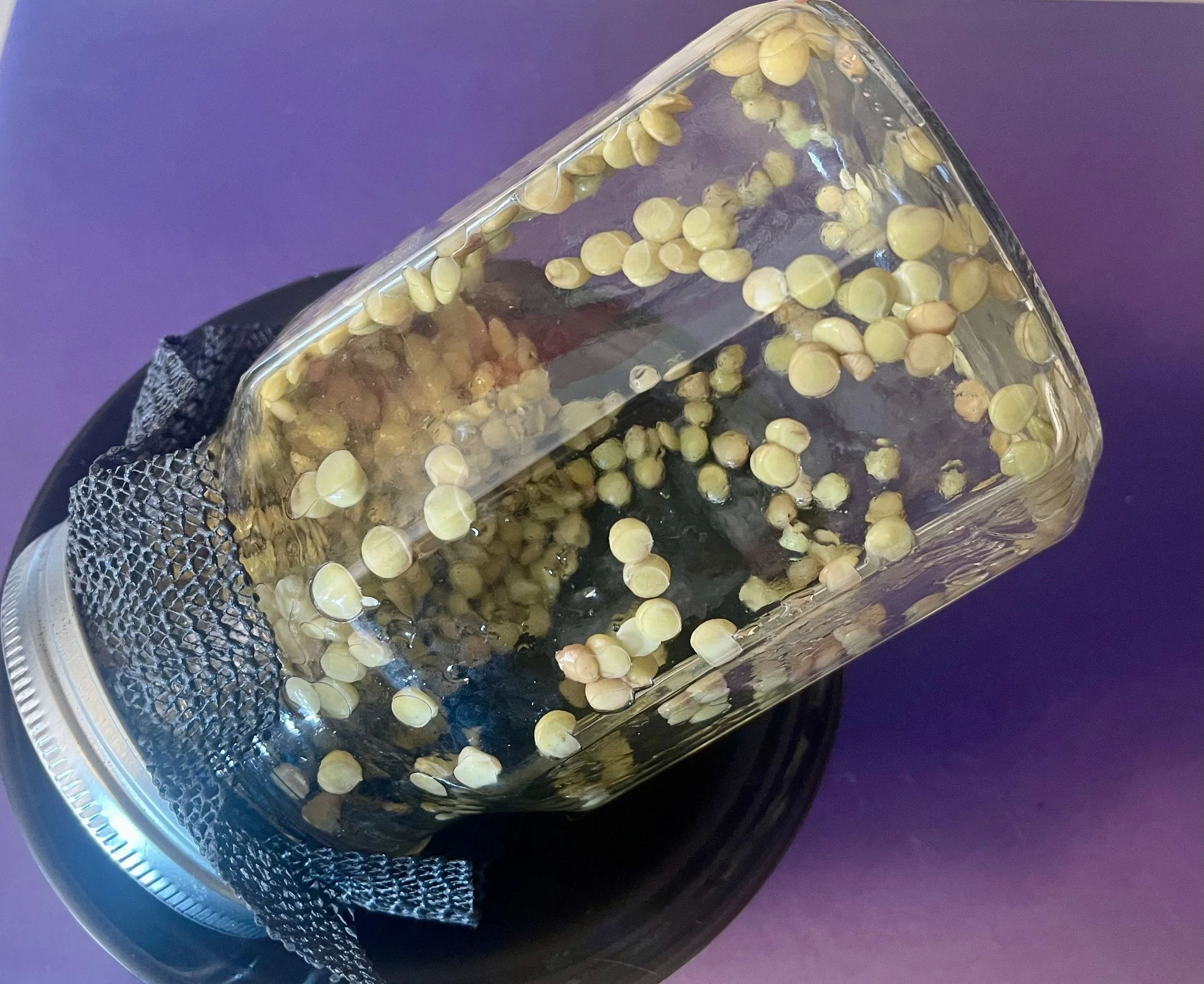
3. The Growth
Rinse thoroughly with cold water twice a day. In Summertime, in the Pacific Northwest, optimal indoor warmth means these roots hit the perfect one-inch mark in just 36 hours. Different climate and seasons, could involve some trial and error, Definitely avoid them being too wet for too long or too cold.
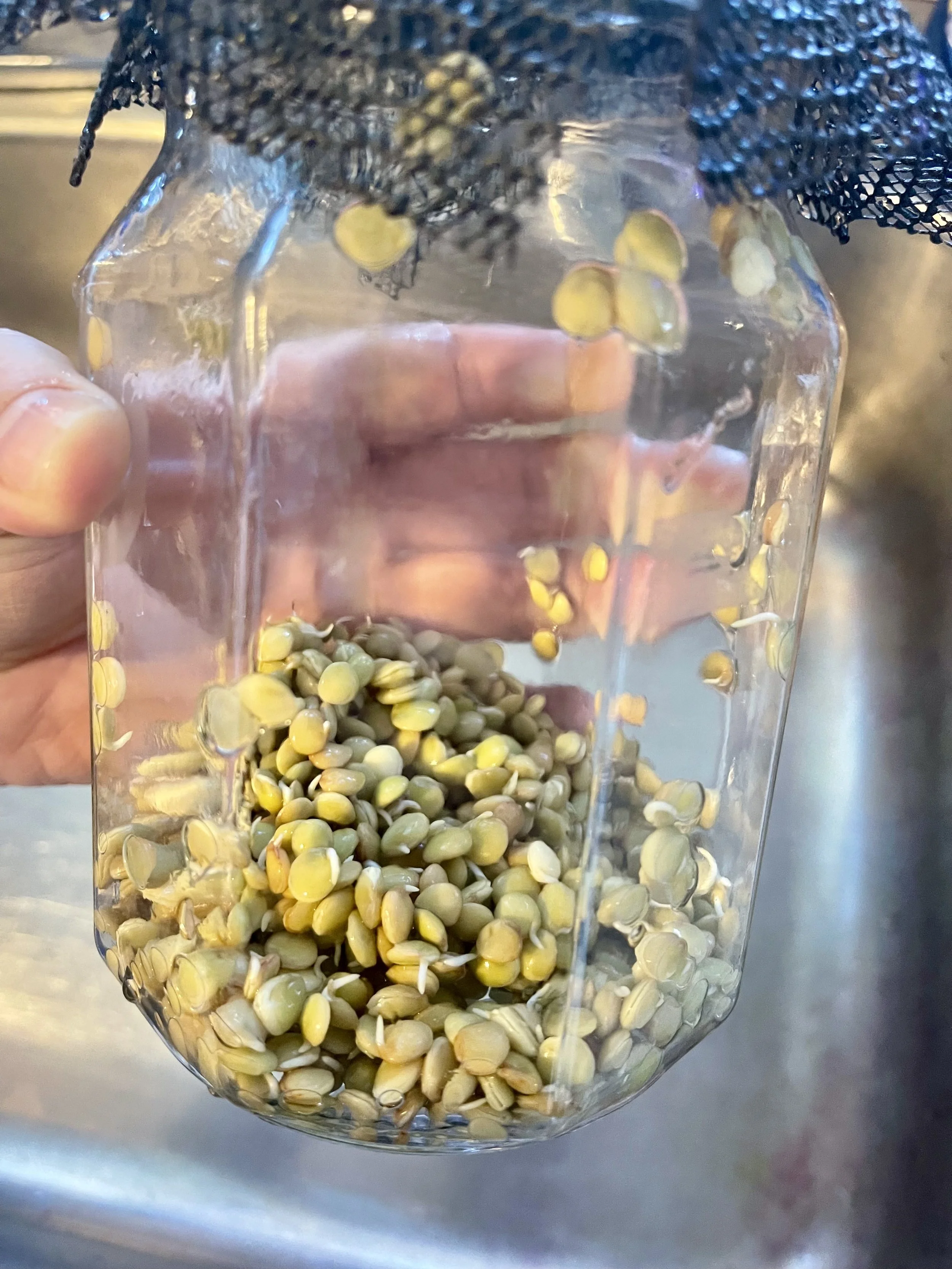
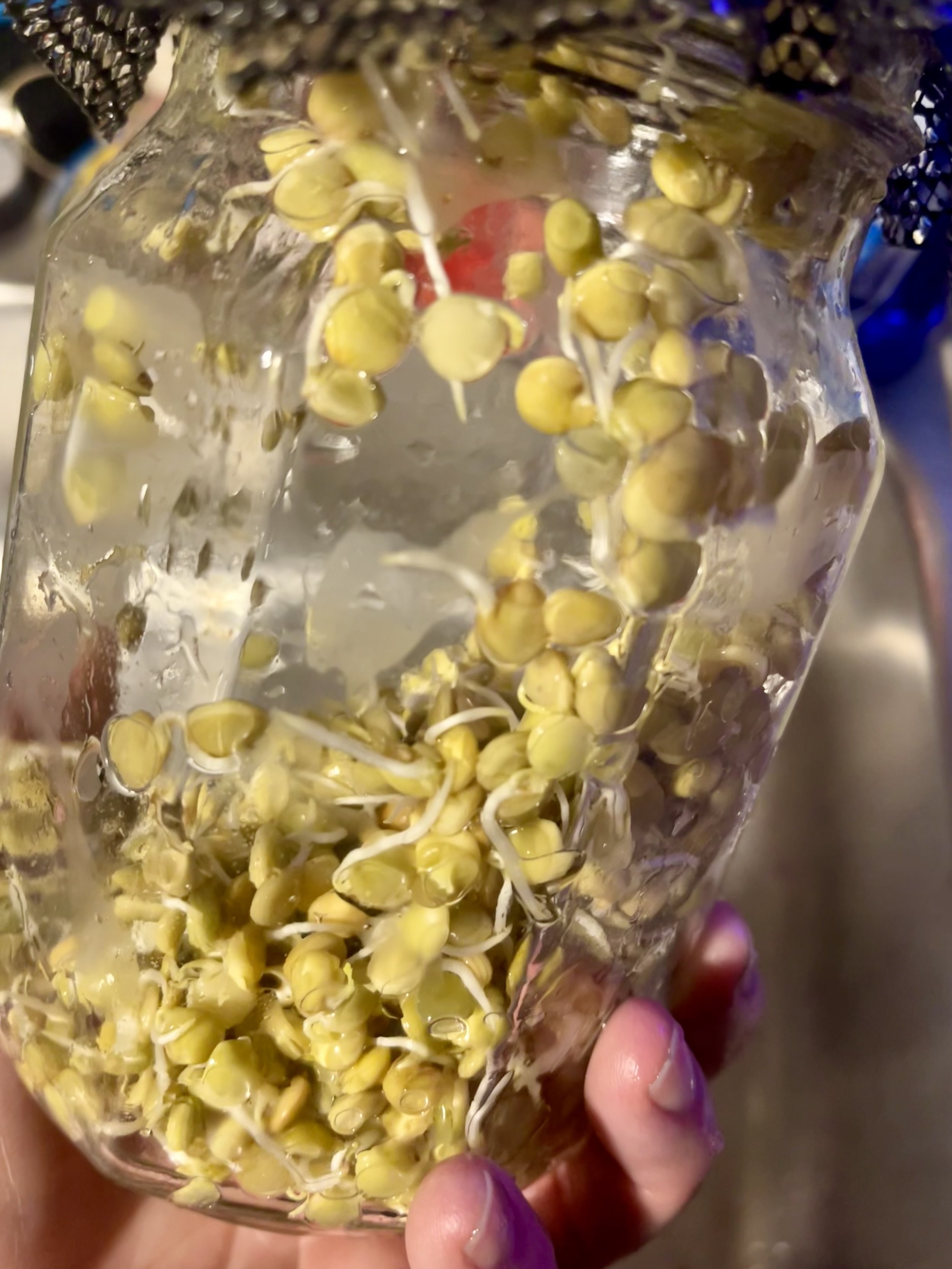
4. The Harvest
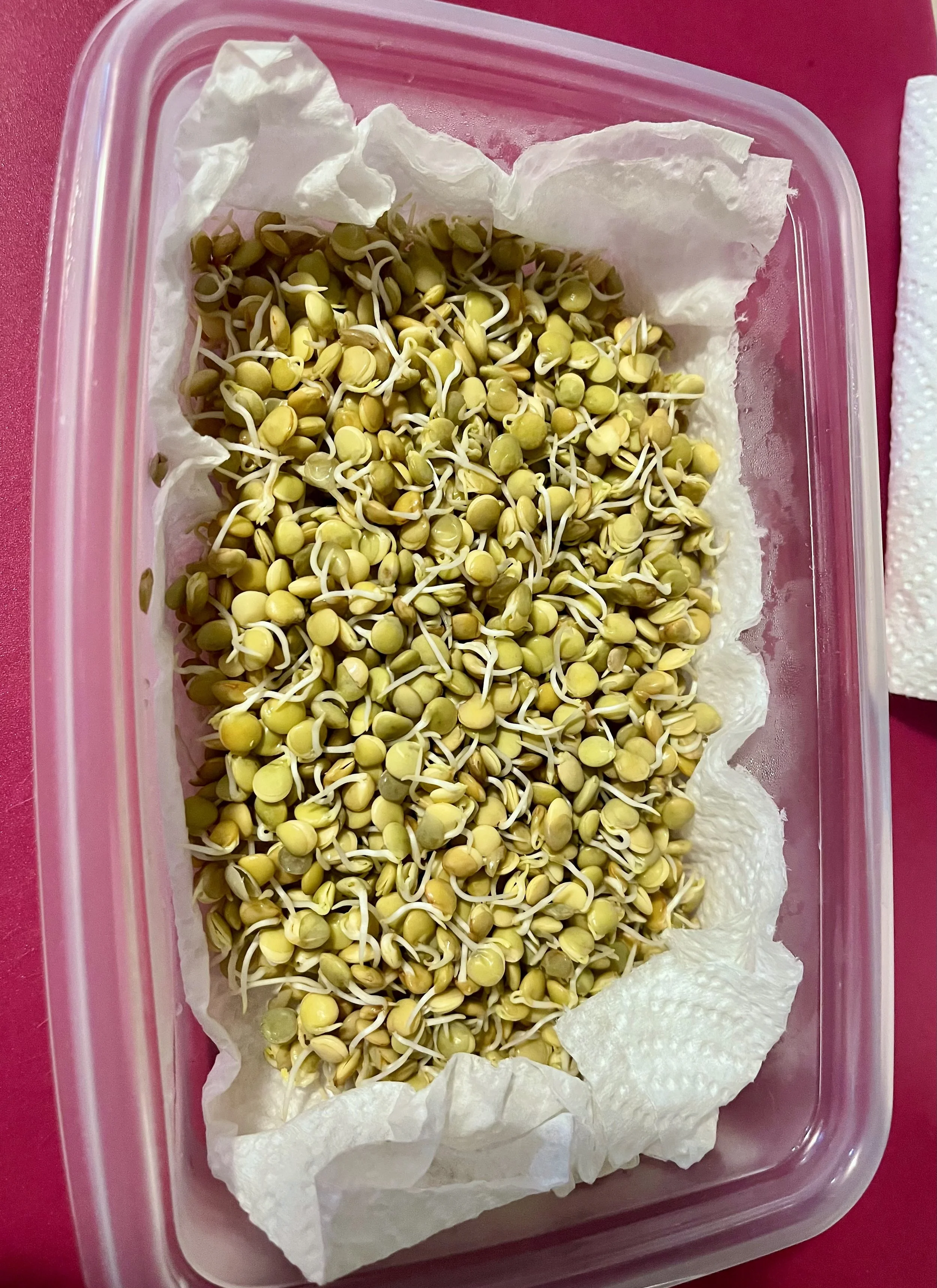
Once those tails reach about an inch, rinse them one last time. Spread them out on a clean towel to dry completely. Store them in a paper-towel-lined airtight container in the fridge.
Quick Ways to Eat Them
Any Way you choose! But a couple of my faves are:
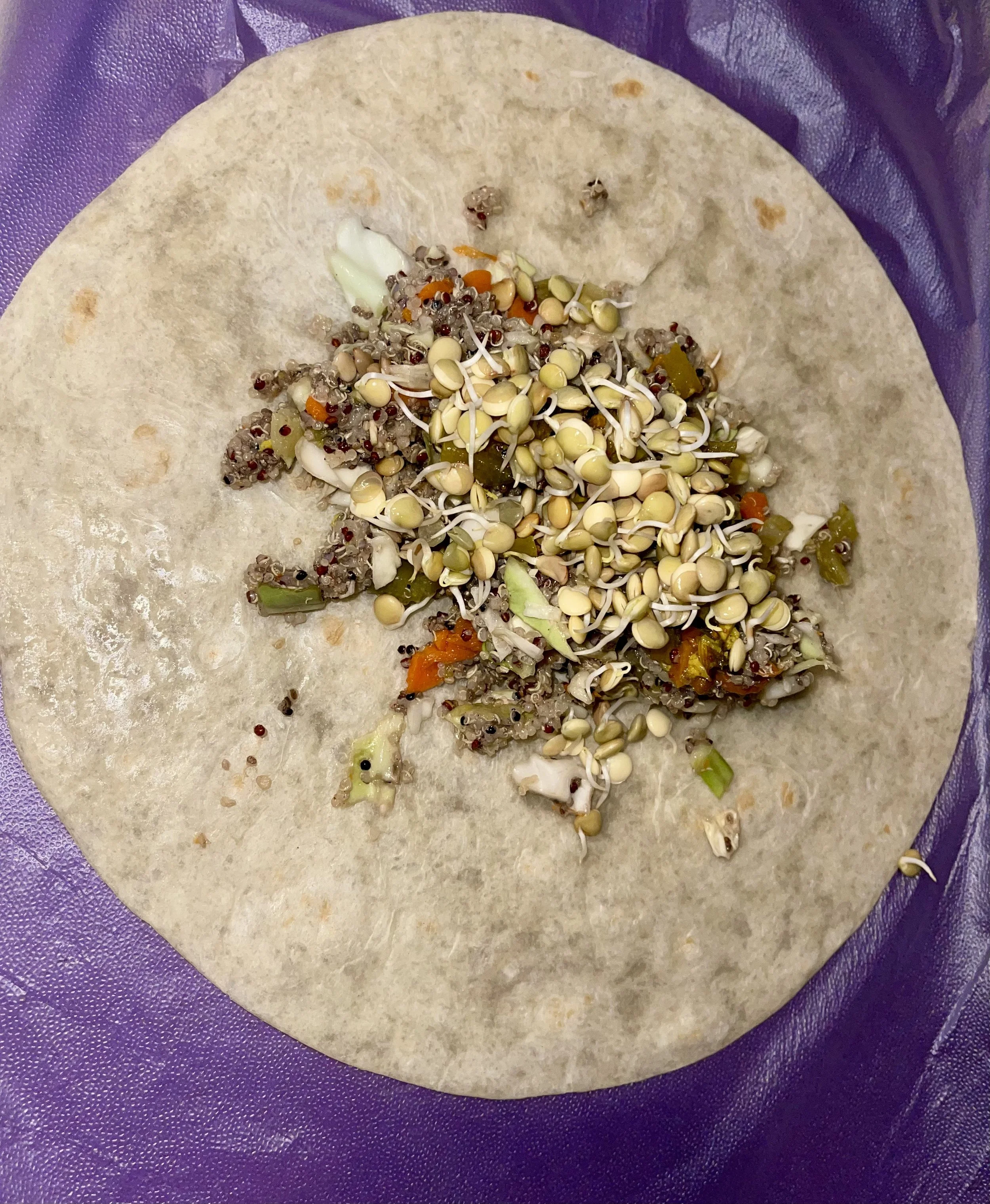
In a flour tortilla with quinoa pilaf. (Quick tip: A true "pilaf" means you sauté the grains and veggies in oil or butter first, then simmer in broth so the grains stay separate and fluffy).
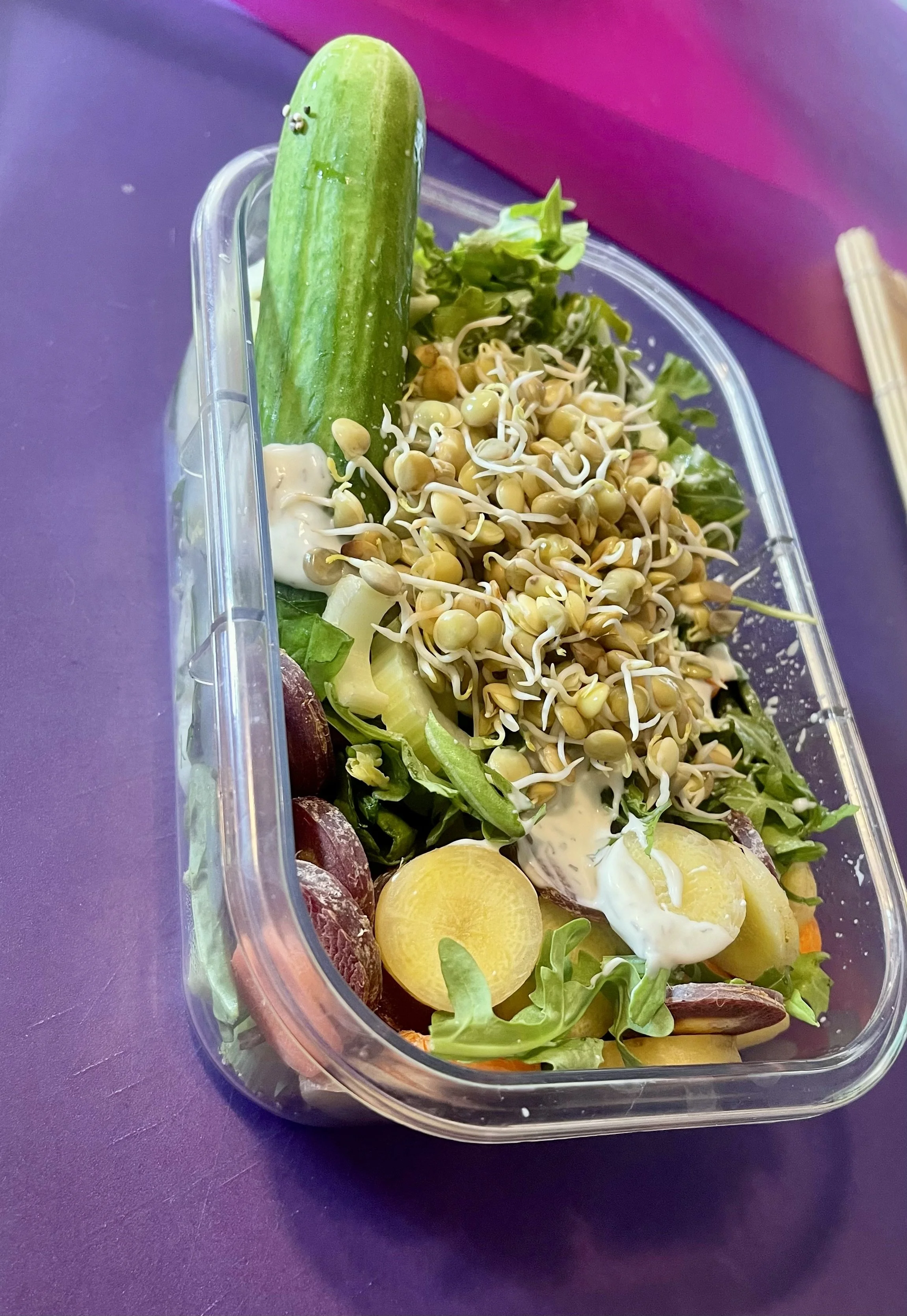
Use them as a hydrating, nutrient-dense crouton replacement. They carry tangy dressings perfectly.
Fast Troubleshooting
Tails grew too fast? Normal! Timelines depend on indoor warmth. Go by the 1-inch visual cue, not a calendar.
Turning green or bitter? They got too much light. Keep the jar in a completely dark cupboard.
Smell sour or slimy? Trapped moisture. Toss them, and ensure a strict 45-degree drainage angle next time.
Barely growing? Your kitchen is too cold. Move the jar to a warmer spot like the top of the fridge.
Disclaimer: I am not a doctor, registered dietitian, or certified nutritionist. The information shared in this post is purely for informational and educational purposes based on my personal kitchen experiments and research. Sprouting timelines and individual health or nutritional results can vary significantly depending on your home environment and unique body. Always consult with a qualified healthcare professional before making major changes to your diet or wellness routine.